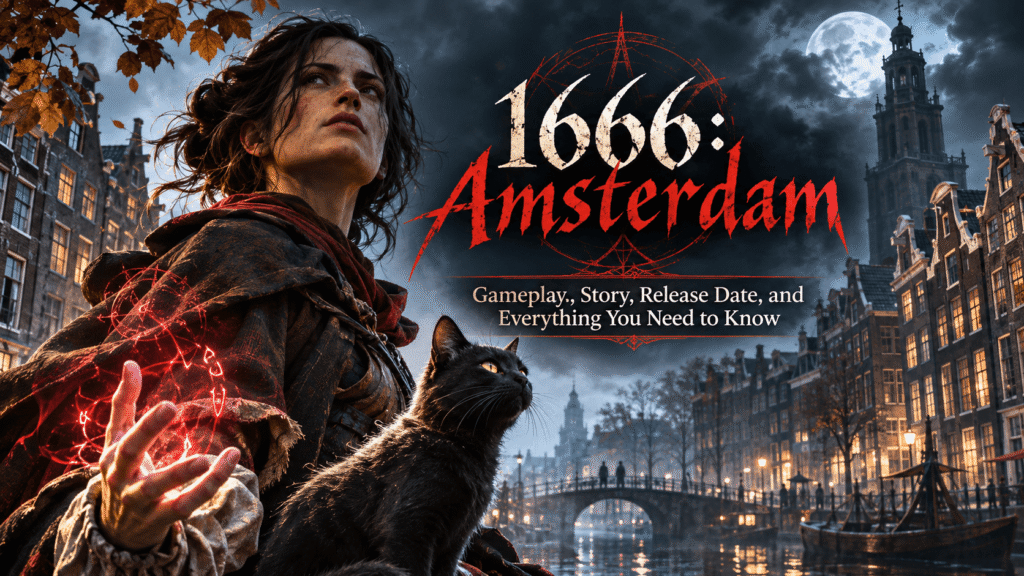
1666: Amsterdam is a supernatural third-person action-adventure game developed by Panache Digital Games and led by Patrice Désilets, one of the original creators of Assassin’s Creed. Set in a mysterious version of 17th-century Amsterdam, the game combines witchcraft, investigation, historical exploration, and supernatural combat.
After years of development difficulties and a remarkable revival, 1666: Amsterdam finally entered PC Early Access on August 25, 2026.
The game follows Noa, a witch investigating powerful supernatural entities known as the Originals, alongside her unusual feline companion, Aaron. Players explore a city where historical environments conceal occult mysteries and dangerous enemies.
Unlike a conventional historical adventure, 1666: Amsterdam blends multiple centuries, supernatural storytelling, and gameplay systems designed to evolve during Early Access. Panache – Jeux numériques+2
What Is 1666: Amsterdam?
1666: Amsterdam is a dark fantasy action-adventure that takes inspiration from European history, witchcraft, and supernatural folklore.
| Detail | Information |
|---|---|
| Developer | Panache Digital Games |
| Creative director | Patrice Désilets |
| Genre | Action-adventure, supernatural |
| Setting | Amsterdam, 1666 and other periods |
| Early Access | August 25, 2026 |
| Platform | PC |
| Stores | Steam, Epic Games Store |
| Status | Early Access |
The game stands out because of its combination of historical city design, magical powers, and a narrative that moves between different periods.
Rather than focusing only on sword fighting or traditional exploration, 1666: Amsterdam introduces occult investigations, unusual characters, and changing gameplay encounters.
Its development also carries a unique history: the project originated more than a decade before its public Early Access release.
1666: Amsterdam Story – Witches, Mysteries, and the Originals
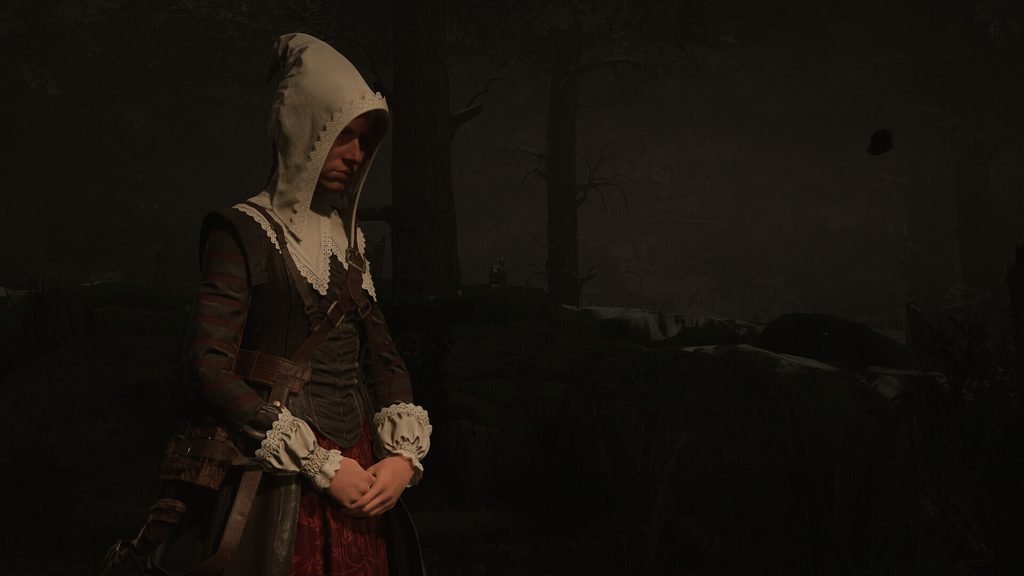
The story of 1666: Amsterdam centers on Noa, a witch known as the Collector, who must investigate supernatural forces operating within the city.
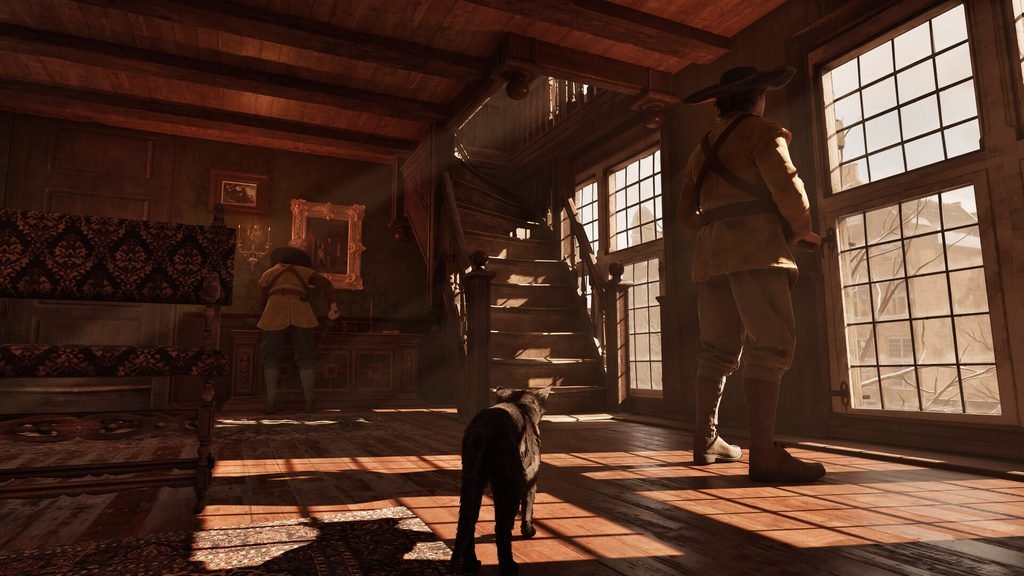
Amsterdam appears as a historically inspired urban environment filled with canals, narrow streets, imposing buildings, and hidden supernatural activity.
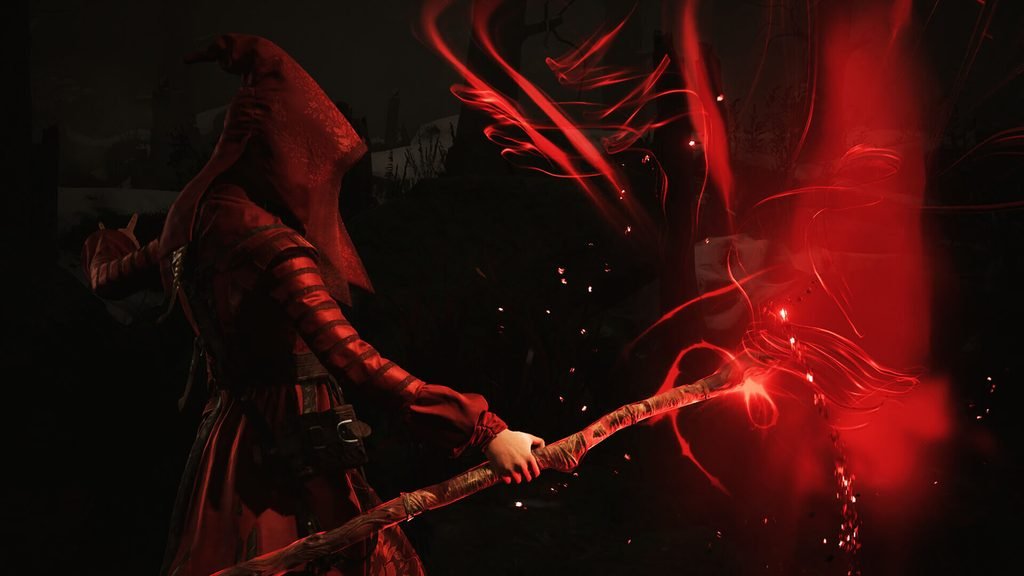
Who is Noa in 1666: Amsterdam?
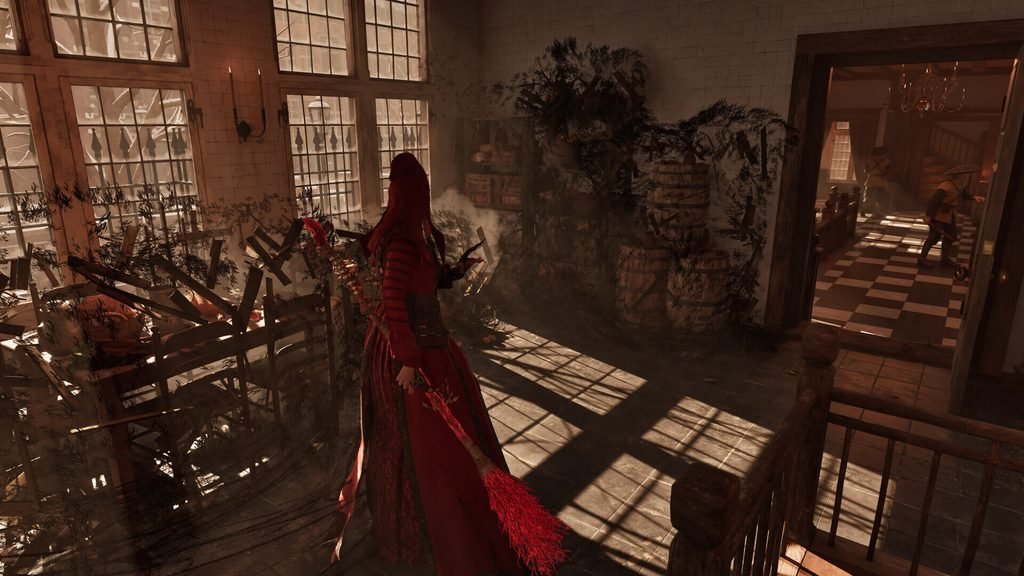
Noa is the central witch protagonist. Her mission involves tracking the Originals, powerful beings who conceal themselves among ordinary inhabitants.
Her journey combines exploration, investigation, and confrontation. The mystery unfolds as players discover more about the supernatural forces influencing Amsterdam.
Who is Aaron, the black cat?
Aaron is Noa’s feline companion and one of the game’s more unusual characters.
He is connected to a person from 1999, introducing another time period into the narrative. His presence is more than a cosmetic companion feature: the game uses the cat’s perspective as part of its distinctive exploration and storytelling approach.
The relationship between Noa and Aaron gives 1666: Amsterdam an identity beyond a typical historical action game.
1666: Amsterdam Gameplay – What Can Players Do?
1666: Amsterdam combines exploration, magical combat, investigative objectives, and replayability systems. Its Early Access design allows Panache Digital Games to refine these features through player feedback.
1. Explore a supernatural version of Amsterdam
The city is a major part of the experience.
Players move through a setting inspired by 17th-century Dutch architecture, with canals, streets, historic buildings, and environments designed to support exploration.
The combination of recognizable historical spaces and occult elements creates a different atmosphere from conventional fantasy games.
2. Use witchcraft and supernatural abilities
Magic plays a central role in Noa’s adventures.
Rather than presenting witchcraft as a minor secondary feature, 1666: Amsterdam builds much of its identity around supernatural powers and encounters.
Players can expect magical interactions and combat situations that distinguish the game from purely weapon-based action adventures.
3. Investigate hidden supernatural threats
Investigation is central to the story.
Noa’s mission involves identifying and confronting the Originals, which gives exploration a narrative purpose. Players are not simply traveling between combat arenas; they are uncovering information about the city’s mysterious inhabitants.
4. Experience shifting encounters and replayability
1666: Amsterdam also incorporates randomness and roguelite-inspired elements.
Patrice Désilets has described randomness as a core part of the design, intended to make different runs less predictable.
This means replayability is not based solely on repeating identical missions. Variation is intended to influence the player’s experience as the game develops.
5. Play through evolving Early Access chapters
The game’s narrative structure uses chapters associated with Esbats, a term connected with gatherings of witches.
The developers plan to expand the experience with additional narrative content, areas, and gameplay improvements.
Players purchasing the Early Access edition should understand that the available content represents a work in progress rather than the completed adventure.
1666: Amsterdam Release Date and Platforms
1666: Amsterdam launched in Early Access on August 25, 2026, for PC through Steam and the Epic Games Store.
The initial public reveal took place during Summer Game Fest in June 2026, accompanied by a short playable prologue.
The Early Access launch followed at Gamescom in August.
| Milestone | Date |
|---|---|
| Public reveal | June 5, 2026 |
| Playable prologue | June 2026 |
| PC Early Access launch | August 25, 2026 |
| Development documentary | October 27, 2026 |
| Full release | Not yet finalized |
A full version is planned, but its release timing remains subject to development progress. Console versions have been discussed, although players should wait for official platform and release announcements.
Mimic (2026): The Multiplayer Survival Horror Game Where Nobody Can Be Trusted
Why 1666: Amsterdam Took So Long to Release
One of the most interesting aspects of 1666: Amsterdam is its development history.
The idea began around 2011 when Patrice Désilets visited Amsterdam and noticed a building bearing the year 1666. The connection between that date and supernatural themes helped inspire the concept.
The project originally entered development at THQ Montreal. However, THQ’s financial collapse disrupted development, and Ubisoft later acquired the studio and associated assets.
Following disputes over the intellectual property, Désilets regained the rights in 2016.
He eventually resumed work on the concept through Panache Digital Games, the studio behind Ancestors: The Humankind Odyssey.
The modern version of 1666: Amsterdam has changed substantially from its earliest concept, evolving into a witchcraft-focused adventure rather than the original devil-centered idea.
This long history makes the game’s 2026 Early Access launch an important milestone for its development team.
1666: Amsterdam PC System Requirements
Before purchasing 1666: Amsterdam, PC players should check their hardware. The game requires a relatively capable graphics card, 16 GB of RAM, and an SSD.
| Component | Minimum | Recommended |
|---|---|---|
| Operating system | Windows 10 64-bit | Windows 10 64-bit |
| Processor | Intel Core i7-10700K / Ryzen 5 3600 | Intel Core i7-12700K / Ryzen 7 7700 |
| RAM | 16 GB | 16 GB |
| Graphics | RTX 2060 Super / RX 6600 | RTX 3080 Ti / RX 7700 |
| DirectX | Version 12 | Version 12 |
| Storage | 50 GB | 50 GB |
| SSD | Required | Required |
The published requirements also specify hardware ray tracing support. Players with older graphics cards should check compatibility before buying.
How Much Does 1666: Amsterdam Cost?
As of November 2, 2026, the US storefront listings show a standard Early Access price of $29.99.
Players can find the game on:
Prices may vary by region and promotional discounts. The developer has also indicated that pricing could increase as the game approaches completion.
Is 1666: Amsterdam Worth Playing in 2026?
1666: Amsterdam is worth considering for players who enjoy supernatural mysteries, historical environments, and experimental action-adventure games.
Its strongest appeal lies in its unusual premise: a witch investigating hidden demonic entities in a richly themed historical city, with the ability to switch between human and feline perspectives.
However, there are important considerations.
Reasons to try 1666: Amsterdam
- A distinctive supernatural setting inspired by historical Amsterdam.
- Creative direction from a developer associated with the original Assassin’s Creed.
- Investigation and magic-based encounters.
- Playable characters with different abilities and perspectives.
- Ongoing content updates during Early Access.
Reasons to wait for the full release
- The complete story is not yet available.
- Combat, performance, and other systems may change.
- Bugs and balancing issues remain possible.
- Players seeking a polished, finished adventure may prefer to wait.
Early reception has been mixed, with some players appreciating the setting and exploration while criticizing aspects of combat and polish. That makes 1666: Amsterdam an interesting but potentially uneven Early Access purchase rather than an unquestionable recommendation.
1666: Amsterdam vs. Assassin’s Creed – What’s Different?
Although Patrice Désilets worked on Assassin’s Creed, 1666: Amsterdam is an independent intellectual property rather than an Assassin’s Creed sequel.
| Feature | 1666: Amsterdam | Assassin’s Creed series |
|---|---|---|
| Primary theme | Witchcraft and supernatural mystery | Historical fiction and assassins |
| Combat | Magic and supernatural abilities | Weapons, stealth and combat |
| World | Occult interpretation of Amsterdam | Various historical locations |
| Playable perspective | Witch and cat | Primarily human protagonists |
| Development | Panache Digital Games | Ubisoft |
| Main appeal | Mystery, occult powers and experimentation | Historical exploration and action |
The games share an interest in historical spaces and character-driven exploration, but their central gameplay concepts differ substantially.
Latest 1666: Amsterdam Updates – November 2026
1666: Amsterdam continues to develop following its August Early Access launch.
One recent milestone was the October 27, 2026 release of The Road to Early Access, a 30-minute documentary covering the project’s development history, its revival, and the team behind the game.
The studio has also discussed a roadmap involving additional narrative chapters, expanded districts, gameplay improvements, and bug fixes.
The developers initially estimated approximately one year of Early Access, although that is a target rather than a guaranteed full-release date.
Frequently Asked Questions About 1666: Amsterdam
Is 1666: Amsterdam available now?
Yes. 1666: Amsterdam entered Early Access on August 25, 2026, and is available for Windows PC through Steam and Epic Games Store.
Is 1666: Amsterdam an open-world game?
1666: Amsterdam features explorable historical environments, with plans to expand its world into additional districts during Early Access. The currently available version does not yet represent the entire planned world.
Who created 1666: Amsterdam?
The game is developed and published by Panache Digital Games, led by creative director Patrice Désilets, who previously worked on Assassin’s Creed and Prince of Persia: The Sands of Time.
Can you play as a cat in 1666: Amsterdam?
Yes. Players can switch between Noa, who uses witchcraft, and Aaron, a companion who explores the world through a cat’s perspective.
Is 1666: Amsterdam free?
The main Early Access game is paid, with a listed US price of $29.99. A free introductory prologue was also released, although its current availability may vary by storefront.
How long is 1666: Amsterdam?
The developers estimated approximately 15 hours of content for the initial Early Access campaign. Actual completion time depends on exploration and playstyle.
Will 1666: Amsterdam come to PS5 or Xbox?
Console versions have been discussed, but no firm console release date has been confirmed in the sources reviewed.
Is 1666: Amsterdam connected to Assassin’s Creed?
No. The games share a creative director, but 1666: Amsterdam is a separate franchise with its own story, setting, characters, and gameplay systems.
Final Verdict – Should You Buy 1666: Amsterdam?
1666: Amsterdam offers an unusual combination of historical adventure, supernatural investigation, witchcraft, and character-driven storytelling.
Its revival after more than a decade of development setbacks is notable, but its greatest potential lies in the game itself: a mysterious Amsterdam, unconventional protagonists, and a world built around identifying and confronting supernatural threats.
For players comfortable with unfinished games and ongoing development, 1666: Amsterdam is worth exploring during Early Access.
For those who prioritize performance, polished combat, and a complete story, waiting for version 1.0 may be the better choice.
The bottom line: 1666: Amsterdam has a distinctive premise and promising ideas, but its final quality will depend on how successfully Panache Digital Games develops and refines the Early Access experience.
Best Video Games to Play in 2026: 6 Top Picks
Sources and references
The article draws on the developer’s announcements, official storefront descriptions, and independent reporting:
- Panache Digital Games – Early Access announcement
- Steam – Official game information and requirements
- Epic Games Store – Official game listing
- VGC – Development and revival history
- Destructoid – Patrice Désilets gameplay interview