

Introduction
Looking for a fantasy RPG that rewards exploration, strategic combat, and creative decision-making? Dragon’s Dogma 2 delivers an adventure where every journey can become a memorable battle against dangerous monsters, unexpected encounters, and powerful enemies.
Developed and published by Capcom, Dragon’s Dogma 2 is an open-world action RPG that builds on the original game’s signature combat and companion systems. You play as the Arisen, a hero whose destiny is connected to a powerful Dragon. Along the way, you explore dangerous territories, develop your fighting abilities, recruit companions, and uncover the secrets of a fantasy world.
What makes this adventure different from many traditional RPGs is its combination of physics-driven combat, flexible character classes, and AI-controlled companions known as Pawns. Your decisions about equipment, party composition, and combat strategy can significantly influence your journey.
In this Dragon’s Dogma 2 guide, we’ll cover the gameplay, best beginner vocations, Pawn system, exploration tips, and essential strategies to help you get started.
What Is Dragon’s Dogma 2?
Dragon’s Dogma 2 is a single-player, narrative-driven action RPG set in a fantasy world filled with dangerous creatures, settlements, dungeons, and hidden discoveries.
Players create their own Arisen and customize a main Pawn who accompanies them throughout the adventure. You can also recruit additional Pawns to create a party of up to four characters, including your own character.
The game features two major regions, Vermund and Battahl, each offering distinct environments, inhabitants, and challenges. Traveling between locations is an important part of the experience, and journeys can become dangerous when monsters appear far from the safety of a town.
Key Features of Dragon’s Dogma 2
- Open-world exploration: Discover settlements, caves, ruins, hidden paths, and dangerous wilderness areas.
- Dynamic combat: Fight monsters using weapons, magic, positioning, and environmental opportunities.
- Vocation system: Choose from different combat styles and develop your character around your preferred approach.
- Pawn companions: Build a party of AI-controlled allies who assist in combat and exploration.
- Character customization: Create your Arisen and main Pawn to match your preferred appearance.
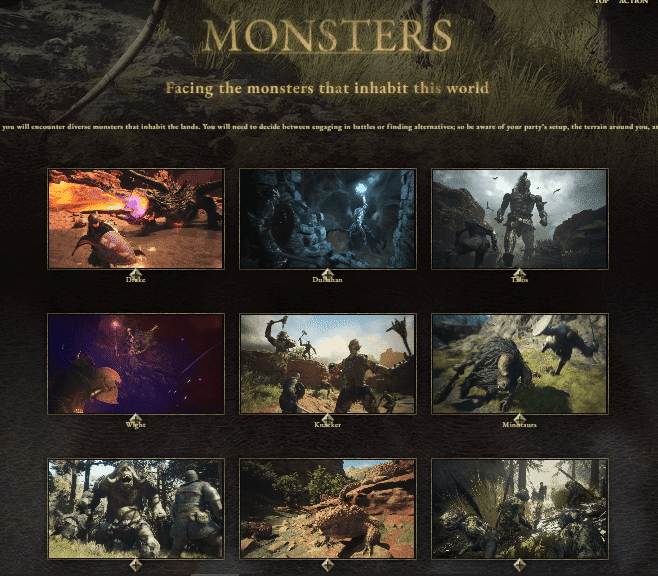
- Monster encounters: Face formidable creatures that require preparation, teamwork, and tactical decisions.
These systems make Dragon’s Dogma 2 an appealing choice for players who enjoy action-focused RPGs with meaningful exploration.
Dragon’s Dogma 2 Gameplay Explained
The gameplay combines exploration, questing, character progression, and real-time combat. Rather than following only a straightforward path from one objective to another, you are encouraged to investigate your surroundings and decide how to approach challenges.
Explore the World at Your Own Pace
Exploration is one of the most important parts of Dragon’s Dogma 2. Traveling through the wilderness can reveal treasure chests, useful materials, hidden caves, and unexpected encounters.
However, exploring without preparation can be risky. Powerful enemies may appear while you are traveling, and long journeys can leave your party with fewer resources.
Before leaving a settlement, consider checking your equipment, healing supplies, and available party members.
Master Real-Time Combat
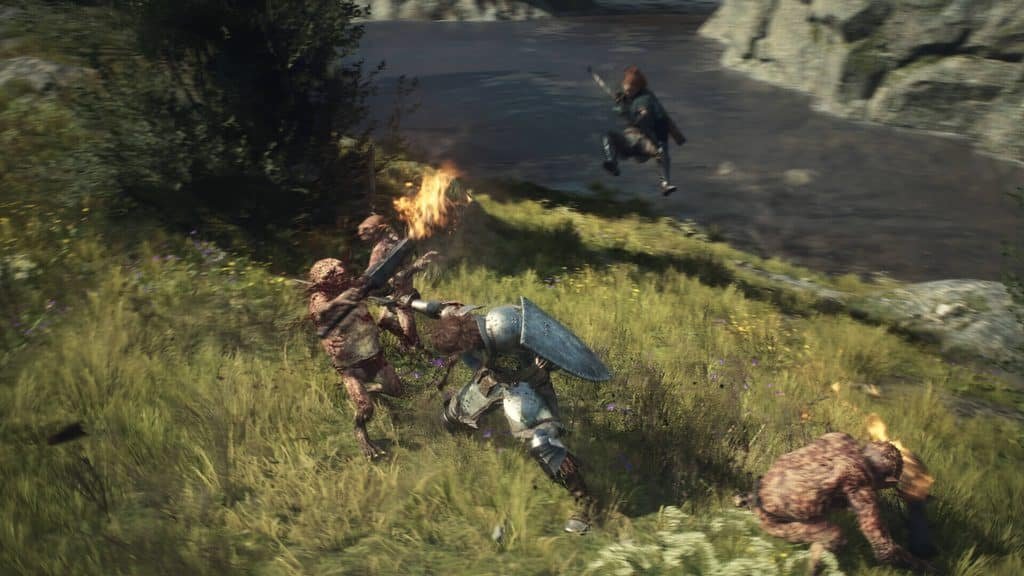
Combat requires more than repeatedly attacking enemies. You need to recognize enemy behavior, manage stamina, choose suitable abilities, and take advantage of openings.
Large monsters offer additional tactical opportunities. Depending on the creature, you may be able to climb onto its body and attack vulnerable areas. Your surroundings and your party’s abilities can also influence the outcome of a fight.
For example, a Fighter can defend allies at close range, while an Archer can deal damage from a safer distance. A Mage can support the group with healing and magical enhancements.
Learning how your vocation works will help you survive encounters that initially seem overwhelming.
Complete Quests and Build Your Character
Quests provide opportunities to discover the world, earn rewards, and progress through the story. Some tasks require combat, while others involve exploration, conversations, or finding particular items.
Pay attention to quest descriptions and information from NPCs. Exploring carefully can help you discover useful routes and resources before taking on difficult objectives.
Character progression also matters. As you gain experience and develop your vocation, you can unlock new skills and improve your effectiveness in combat.
Dragon’s Dogma 2 Vocations: Which Class Should You Choose?

Vocations determine your character’s combat style, weapons, and abilities. Choosing a suitable vocation early can make learning the game much easier.
The game allows you to change vocations through vocation guilds, so your initial choice does not have to define your entire adventure.
1. Fighter — Best for Beginners Who Prefer Melee Combat
The Fighter uses a sword and shield to balance offense and defense. This vocation is ideal for players who want to engage enemies at close range while having defensive options.
Why choose Fighter?
- Straightforward melee combat.
- Shield-based defense.
- Good for learning enemy attack patterns.
- Useful for players who enjoy protecting their party.
If you are new to Dragon’s Dogma 2 and want a direct, easy-to-understand combat style, Fighter is a strong starting option.
2. Mage — Best for Support and Healing
The Mage uses magical abilities to attack enemies, heal allies, and provide useful enchantments.
Mages can make a party more effective, particularly when longer battles demand healing or magical support. However, casting spells takes time, so positioning and timing are important.
Why choose Mage?
- Access to healing magic.
- Magical attacks against enemy weaknesses.
- Support abilities for party members.
- A ranged approach to combat.
Mage is a practical choice if you enjoy supporting teammates while contributing magical damage.
3. Archer — Best for Ranged Combat
The Archer attacks enemies using a bow, allowing you to deal damage from a distance.
This vocation is particularly useful when you want to avoid remaining in close combat. Good positioning can help you target enemies while your frontline allies keep them occupied.
Why choose Archer?
- Ranged physical attacks.
- Opportunities to target vulnerable enemies.
- A mobile, precision-focused playstyle.
- Useful damage support for a balanced party.
Archer suits players who prefer accuracy, movement, and attacking from a distance.
4. Thief — Best for Agile Combat
The Thief specializes in quick attacks, evasive movement, and close-range pressure. It rewards players who enjoy staying mobile and exploiting openings.
Why choose Thief?
- Fast melee attacks.
- An agile combat style.
- Opportunities to evade dangerous attacks.
- Strong appeal for aggressive players who value mobility.
Thief can be an excellent choice if you prefer speed and quick reactions over blocking attacks with a shield.
Other Vocations to Discover
As you progress, you can unlock additional vocations, including Warrior, Sorcerer, Mystic Spearhand, Magick Archer, Trickster, and Warfarer.
These vocations introduce different mechanics, from powerful heavy weapons and advanced spellcasting to magical weapon combinations and illusion-based support.
Experimenting with different vocations is one of the best ways to discover the playstyle that suits you.
The Pawn System: How Your Companions Work
The Pawn system is one of Dragon’s Dogma 2’s defining features. Pawns are AI-controlled companions who travel with you, fight enemies, and assist during exploration.
Your main Pawn can be customized, while additional Pawns can be recruited to fill gaps in your party.
Build a Balanced Party
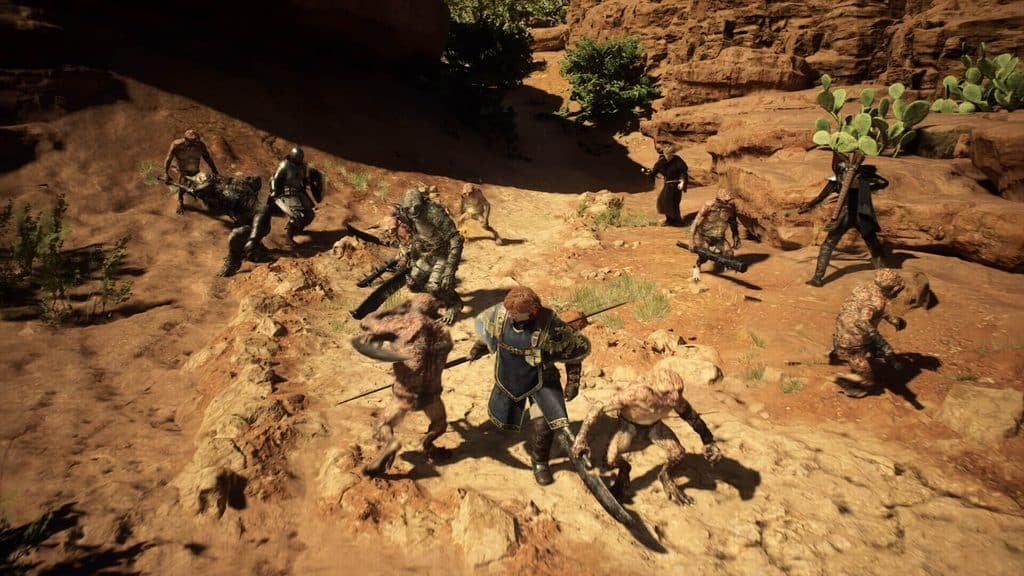
A well-balanced party can make a significant difference, especially when facing unfamiliar monsters.
For beginners, consider a setup that includes:
- Your Arisen: Your preferred damage-dealing or frontline vocation.
- A Fighter: A durable melee companion who can engage enemies at close range.
- A Mage: A source of healing, magical damage, and support.
- An additional damage dealer: An Archer, Thief, or another suitable vocation.
This is a flexible starting point rather than a mandatory team composition. You can adjust your party to match your own vocation and the enemies you expect to encounter.
Learn to Use Pawn Commands
Pawns can respond to commands that influence their behavior during combat and exploration.
For example, you can direct them to assist you, provide support, or act more independently. Paying attention to their suggestions may also help you discover useful information during your travels.
A Pawn who understands a region or has experience fighting a particular monster can offer valuable guidance.
Review Your Pawn Choices Regularly
Do not assume that your original party will remain the best option throughout the game.
As you encounter new enemies and unlock different abilities, consider whether your companions provide enough healing, damage, and defensive support.
A small adjustment to your party can make a difficult encounter much more manageable.
◾ AION 2: Everything You Need to Know About NCSOFT’s New MMORPG
Essential Dragon’s Dogma 2 Beginner Tips
If you are starting your first adventure, these practical tips can help you avoid common mistakes.
1. Prepare Before Leaving Town
Check your weapons, armor, healing items, and party composition before heading into dangerous areas. Preparation is especially useful when you expect a long journey.
2. Manage Your Stamina
Many combat abilities and physical actions consume stamina. Using too much at the wrong moment can leave you vulnerable.
Avoid exhausting yourself when a powerful enemy is preparing to attack. Keep enough stamina available to respond to changing situations.
3. Learn Enemy Weaknesses
Different enemies require different approaches. Observe their attack patterns and look for opportunities to strike vulnerable areas.
Large monsters may demand patience rather than constant aggression. Let your party create openings before committing to risky attacks.
4. Experiment With Vocations
Your first vocation is only the beginning. Visit vocation guilds, unlock additional options, and test different combat styles as you progress.
Changing vocations can help you find a more enjoyable playstyle or address weaknesses in your approach.
5. Travel With the Right Pawns
Your companions should complement your character rather than simply duplicate the same role.
If your Arisen focuses on melee damage, consider adding healing and ranged support. If you play a Mage, a durable frontline companion can help protect you while you cast spells.
6. Explore Side Paths
Not every useful discovery is directly connected to your current quest.
Investigate caves, ruins, and unusual locations when it is safe to do so. Exploration can reward you with equipment, resources, and useful discoveries.
Nevertheless, avoid fighting every monster you encounter. Sometimes the smartest decision is to retreat and return when you are better prepared.
7. Use Camping Opportunities Wisely
Camping can help you manage long journeys and recover from the demands of exploration. When you find a suitable campsite, consider whether your party needs rest before continuing.
Keep in mind that camping locations and surrounding areas may not always be completely safe.
8. Upgrade Equipment When Possible
Better equipment can improve your effectiveness against increasingly dangerous enemies. Check merchants and available upgrade services when visiting settlements.
You do not need to spend resources on every item you find. Focus on equipment that supports your preferred vocation and current needs.
Dragon’s Dogma 2 Exploration: Vermund and Battahl
The world of Dragon’s Dogma 2 is designed to encourage exploration beyond the main quest.
Vermund
Vermund is a kingdom associated with human society and political intrigue. Its settlements, roads, and surrounding wilderness offer opportunities to complete quests, gather supplies, and encounter dangerous creatures.
Take time to explore beyond major roads when your party is prepared. You may discover useful locations and resources along the way.
Battahl
Battahl offers a different environment and introduces its own challenges as you progress through the adventure.
Traveling through unfamiliar territory makes preparation especially important. Review your equipment, keep suitable companions in your party, and avoid assuming that enemies will behave exactly like those you have already defeated.
Is Fast Travel the Best Option?
Dragon’s Dogma 2 places considerable emphasis on the journey itself. Traveling on foot can expose you to encounters and discoveries that you would otherwise miss.
Fast travel can save time, but it is worth considering whether a journey offers opportunities for exploration, materials, or additional quests.
Choose your approach according to your current objective and how much time you want to spend exploring.
Is Dragon’s Dogma 2 Difficult?
Dragon’s Dogma 2 can be challenging, particularly for players who rush into battles without preparing their party.
The difficulty often comes from managing several systems at once: stamina, enemy behavior, vocation abilities, equipment, and Pawn support.
Fortunately, the game provides ways to improve your chances of success.
Start with a vocation you understand, keep a balanced party, and learn from difficult encounters. When a monster proves too powerful, retreating and returning later is often more effective than repeatedly attempting the same fight.
The game is generally more rewarding when you treat preparation and tactical decisions as important parts of combat.
Is Dragon’s Dogma 2 Worth Playing?
Dragon’s Dogma 2 is worth considering if you enjoy open-world fantasy RPGs with active combat, unusual monster encounters, and flexible character development.
Its greatest strengths include its vocation variety, Pawn companions, and the freedom to approach many encounters in different ways.
However, it may not appeal equally to every player. Those who prefer highly guided exploration, constant quest markers, or a traditional multiplayer party experience may find its approach less suitable.
The Pawn system creates the feeling of traveling with a group, but Dragon’s Dogma 2 remains a single-player adventure rather than a conventional cooperative multiplayer RPG.
Ultimately, the game is best suited to players who enjoy learning through exploration, experimenting with combat systems, and preparing for unpredictable encounters.
Dragon’s Dogma 2: Dark Arisen — What Players Should Know
Players following the series should also be aware of Dragon’s Dogma 2: Dark Arisen, a separate expansion release announced by Capcom for October 9, 2026.
Capcom describes this release as a paid expansion title that adds a new story to Dragon’s Dogma 2, along with additional adventures and encounters.
If you are deciding which version to purchase, check the official product listing carefully to confirm what is included. Do not assume that every edition contains the same content.
For the latest release and purchase information, consult the official Dragon’s Dogma 2: Dark Arisen website.
◾ League of Legends Guide: Gameplay, Champions, Roles & Beginner Tips
Frequently Asked Questions About Dragon’s Dogma 2
Is Dragon’s Dogma 2 a single-player game?
Yes. Dragon’s Dogma 2 is a single-player action RPG. You travel with AI-controlled Pawns rather than a traditional group of human-controlled co-op players.
What is the best starting vocation in Dragon’s Dogma 2?
Fighter is a strong option for beginners who prefer direct melee combat and shield-based defense. Mage is useful for players who enjoy healing and magical support, while Archer and Thief suit ranged and agile combat styles.
The best choice ultimately depends on how you want to play.
Can you change vocations in Dragon’s Dogma 2?
Yes. You can change vocations at vocation guilds as you progress. Experimenting with different vocations is a useful way to discover new combat options.
How many Pawns can you have in your party?
You can adventure with a party of up to four characters: your Arisen and three Pawns.
Is Dragon’s Dogma 2 an open-world RPG?
Yes. It features an explorable fantasy world with settlements, wilderness areas, quests, caves, and dangerous monsters.
Do you need to play the first Dragon’s Dogma before the sequel?
Playing the original can provide useful background, but Dragon’s Dogma 2 is designed to introduce players to a new adventure. Newcomers can begin with the sequel and learn its systems as they play.
What platforms is Dragon’s Dogma 2 available on?
The original release is available on PlayStation 5, Xbox Series X|S, and PC. Check official store listings for current editions, regional availability, and expansion compatibility.
◾ The Witcher 3: Wild Hunt – Complete Guide, Story, Gameplay & Beginner Tips
Final Verdict
Dragon’s Dogma 2 offers a distinctive fantasy RPG experience built around exploration, tactical combat, flexible vocations, and AI-controlled companions.
New players should focus on learning their preferred vocation, assembling a balanced Pawn party, preparing for dangerous journeys, and recognizing when to fight or retreat. These fundamentals make the adventure more manageable while leaving plenty of room to experiment.
Whether you prefer fighting on the frontline, attacking from a distance, or supporting your allies with magic, Dragon’s Dogma 2 gives you multiple ways to approach its challenges.
Ready to begin your adventure as the Arisen? Explore the world, build your party, master your vocation, and prepare for the monsters waiting beyond the next road.
Keep visiting la4ta.info for more gaming guides, RPG tips, walkthroughs, and game reviews.