
The Witcher 3: Wild Hunt remains one of the most celebrated open-world RPGs ever made. Developed by CD Projekt Red, the game combines a massive fantasy world with meaningful choices, memorable characters, monster hunting, exploration, and a story filled with political conflict and personal consequences.
Whether you’re discovering Geralt of Rivia’s adventure for the first time or returning to explore every corner of the Continent, this guide covers everything you need to know about The Witcher 3: Wild Hunt, including its story, gameplay, combat, quests, character progression, exploration, and beginner tips.
What Is The Witcher 3: Wild Hunt?
The Witcher 3: Wild Hunt is an open-world action RPG based on the Witcher universe created by Polish author Andrzej Sapkowski.
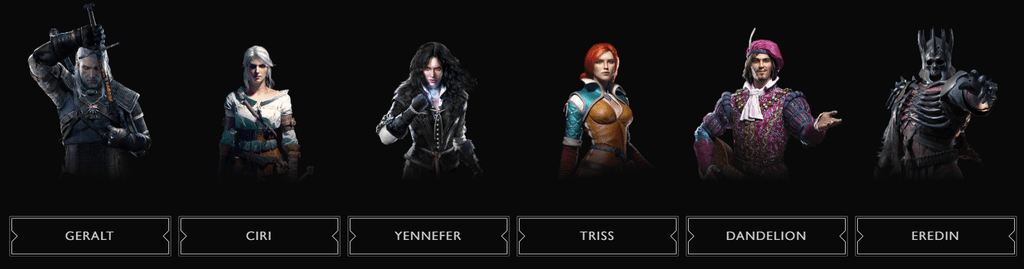
Players control Geralt of Rivia, a professional monster hunter known as a Witcher. Geralt travels across a war-torn fantasy world while searching for Ciri, a young woman with an important connection to his past and extraordinary powers.
The game combines:
- Open-world exploration
- Action-based combat
- Character progression
- Monster hunting
- Side quests
- Story-driven choices
- Crafting and alchemy
- Treasure hunting
- Romance and relationships
- Equipment customization
One of the game’s biggest strengths is that many quests are more than simple objectives. Your decisions can influence characters, locations, relationships, and even the outcome of major storylines.
The Witcher 3 Story Explained
The main story follows Geralt as he searches for Ciri, who is being pursued by the mysterious Wild Hunt.
Geralt’s journey takes him across several major regions, including Velen, Novigrad, and Skellige, while he investigates Ciri’s whereabouts and becomes involved in conflicts between kingdoms, armies, criminals, sorcerers, and supernatural forces.
The story is divided into numerous quests, but the game constantly encourages players to explore beyond the main objective.
You may discover a village suffering from a monster attack, encounter a mysterious abandoned location, become involved in a political conflict, or stumble across a completely unexpected side story.
This interconnected approach is one reason The Witcher 3 story continues to be highly regarded.
Gameplay and Open-World Exploration
The world of The Witcher 3 is designed to reward curiosity.
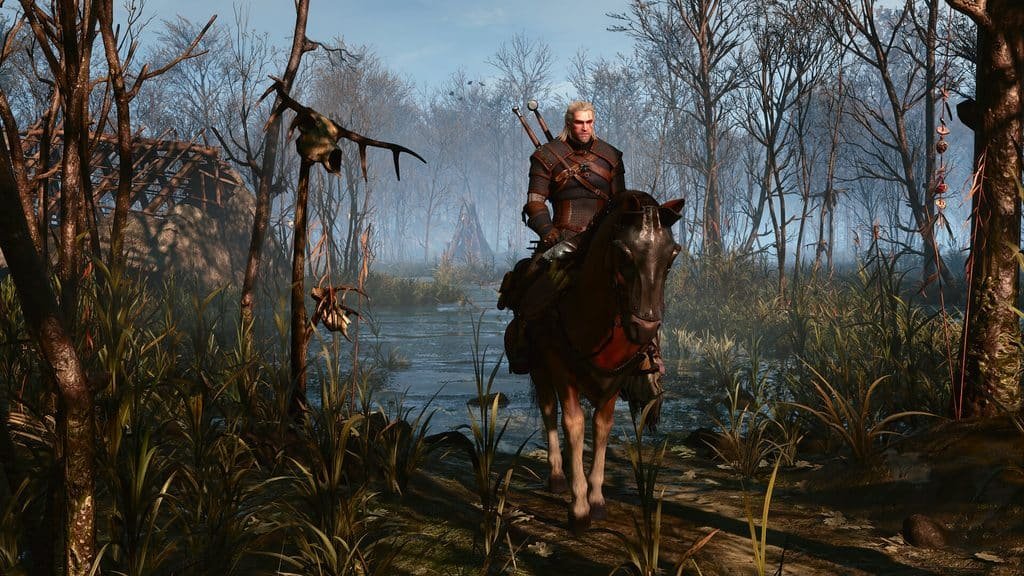
Geralt can travel on foot, ride his horse Roach, sail across water, swim, and use fast-travel locations discovered throughout the world.
Explore the World
While following the main quest is important, don’t ignore the game’s many optional activities.
Exploration can lead to:
- Hidden treasure
- Monster contracts
- Witcher gear
- Abandoned settlements
- Bandit camps
- Secret locations
- Powerful enemies
- Interesting side quests
- Valuable crafting materials
The map can look overwhelming when you first begin, but you don’t need to clear every icon immediately.
A better approach is to explore naturally while completing nearby quests.
The Witcher 3 Combat System
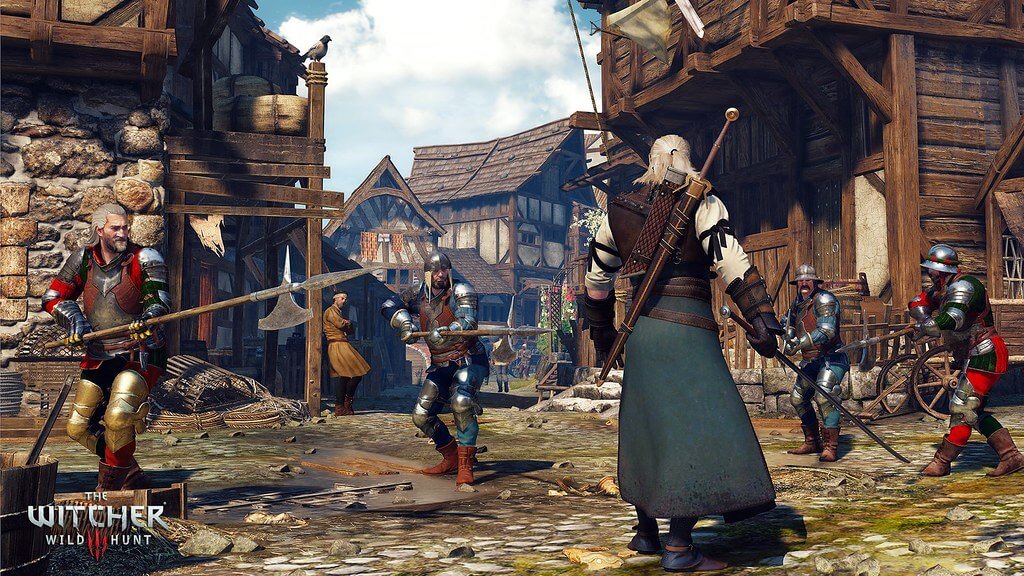
Combat combines swordplay, Witcher Signs, bombs, dodging, blocking, parrying, and preparation.
Geralt primarily uses two swords:
Steel Sword: Best suited for human enemies and other conventional opponents.
Silver Sword: Primarily used against monsters and supernatural creatures.
However, simply attacking repeatedly isn’t always the best strategy.
Learning enemy behavior is an important part of successful combat.
Dodging and Rolling
Dodging is particularly useful against strong enemies and monsters with powerful attacks.
A well-timed dodge can allow Geralt to avoid damage while positioning himself for a counterattack.
Rolling provides greater movement but consumes more stamina and can move Geralt farther away from the enemy.
Blocking and Parrying
Blocking can reduce incoming damage from many attacks, while a well-timed parry can create opportunities for counterattacks.
Against human enemies with shields or weapons, learning to parry can make difficult encounters considerably easier.
Witcher Signs Explained
Witcher Signs are magical abilities that give Geralt additional options during combat.
The five primary Signs are:
Aard
Aard releases a telekinetic blast that can stagger enemies and sometimes knock them down.
It is useful for creating openings against certain opponents.
Igni
Igni produces a burst of fire that can damage enemies and potentially ignite them.
It is particularly useful against enemies vulnerable to fire.
Quen
Quen creates a protective magical shield around Geralt.
For beginners, Quen is one of the most useful Signs because it provides an additional layer of protection during difficult fights.
Yrden
Yrden creates a magical area that can slow or affect certain enemies.
It is especially useful when fighting creatures that require special tactics.
Axii
Axii influences an enemy’s mind and can create combat opportunities.
Outside combat, Axii can also provide additional dialogue options in certain situations.
Character Progression and Skills
Geralt earns experience by completing quests and defeating enemies.
As you level up, you can invest ability points into different skill categories.
These include:
- Combat
- Signs
- Alchemy
- General abilities
Your build should reflect your preferred playstyle.
If you enjoy direct sword combat, investing heavily in combat abilities makes sense. Players who enjoy magical abilities can focus more on Signs, while potion and bomb enthusiasts can build around alchemy.
Beginner Build Tip
If you’re new to The Witcher 3, don’t worry about creating a perfect build immediately.
Focus on abilities that improve the aspects of combat you use most often. As you become more comfortable with the game, you can experiment with different builds and combinations.
Alchemy and Crafting
Alchemy is an important part of The Witcher 3.
Geralt can create:
- Potions
- Oils
- Bombs
- Decoctions
These items can provide significant advantages against particular enemies.
Use Oils Before Monster Fights
One of the most useful habits for beginners is checking the type of monster you’re fighting and preparing the appropriate weapon oil.
Different enemies have different weaknesses, so preparation can make difficult encounters much easier.
The game rewards players who study their opponents instead of relying exclusively on raw damage.
◾Fire Emblem: Fortune’s Weave Best Classes Ranked
Witcher Gear
Witcher gear sets are some of the most recognizable equipment collections in the game.
Different schools provide different gear sets, including:
- Griffin
- Cat
- Bear
- Wolf
- Viper
Witcher gear can be upgraded through multiple stages, depending on the particular set.
If you enjoy collecting equipment, completing Witcher gear treasure hunts is one of the best long-term activities in the game.
Quests and Player Choices
One of the biggest reasons The Witcher 3 quests stand out is the importance of player choice.
Many quests don’t have a simple good-or-bad solution.
You may make a decision believing you’re helping someone, only to discover later that your choice produced an unexpected consequence.
This makes it worth thinking carefully before making important decisions.
Don’t Rush Through Dialogue
Dialogue contains valuable information about characters, quests, and the world.
If you’re interested in getting the most from the story, take your time with conversations rather than immediately skipping through them.
Some decisions can influence later events, relationships, and quest outcomes.
◾AION 2: Everything You Need to Know About NCSOFT’s New MMORPG
Best Beginner Tips for The Witcher 3
If you’re starting The Witcher 3 for the first time, these tips can make your early adventure easier.
1. Save Your Game Frequently
Although the game provides autosaves, manually saving before important decisions and difficult encounters is a good habit.
2. Use Your Witcher Senses
Geralt’s Witcher Senses are essential for investigation quests.
Use them to examine clues, track footprints, identify objects, and discover hidden information.
3. Don’t Ignore Side Quests
Some of the game’s most memorable stories are optional.
Completing side quests can also provide experience, equipment, money, and additional context about the world.
4. Prepare Before Difficult Fights
Check your equipment, health, potions, bombs, and oils before challenging enemies.
Preparation is a major part of the Witcher experience.
5. Explore Question Marks Carefully
The world map contains numerous points of interest.
You don’t have to visit every location immediately. Explore areas that are appropriate for Geralt’s current level and return later when necessary.
6. Repair Your Equipment
Weapons and armor lose durability during use.
Keep an eye on equipment condition because damaged gear becomes less effective.
7. Loot Whenever Practical
Looting can provide valuable crafting components, food, weapons, armor, and other resources.
However, inventory space can become a problem, so sell or dismantle unnecessary equipment regularly.
8. Read Bestiary Entries
The Bestiary provides information about monsters and their weaknesses.
Before fighting an unfamiliar creature, checking its entry can help you determine which Signs, oils, bombs, or tactics are most effective.
Is The Witcher 3 Still Worth Playing?
Yes. The Witcher 3: Wild Hunt remains an excellent choice for players who enjoy story-driven RPGs, open-world exploration, fantasy adventures, and meaningful player choices.
Its biggest strength isn’t simply the size of its map. The game fills that world with characters, quests, mysteries, monsters, and stories that encourage players to explore beyond the main storyline.
For players who prefer fast-paced action alone, some aspects of the combat may feel less important than the game’s narrative and exploration. However, for RPG fans looking for a deep fantasy adventure, The Witcher 3 offers an enormous amount of content.
The Witcher 3 Expansions
The game’s major expansions add substantial new adventures.
Hearts of Stone
Hearts of Stone introduces a darker storyline involving Geralt and a mysterious character named Gaunter O’Dimm.
The expansion adds new quests, characters, challenges, and story content while maintaining the core gameplay of the original game.
Blood and Wine
Blood and Wine takes Geralt to the colorful region of Toussaint.
The expansion provides a large new area, new quests, characters, enemies, equipment, and a substantial storyline.
For many players, Blood and Wine feels almost like a separate adventure rather than a traditional expansion.
The Witcher 3: Wild Hunt – Final Verdict
The Witcher 3: Wild Hunt is an exceptional open-world RPG built around exploration, storytelling, combat, and meaningful choices.
Its enormous world gives players plenty of freedom, while its quests provide memorable stories beyond the traditional fantasy RPG formula.
Whether you’re interested in monster hunting, character progression, exploration, crafting, or simply experiencing Geralt’s story, there is plenty to discover.
The Witcher 3 Rating
Story: 10/10
Open World: 10/10
Quests: 10/10
Combat: 9/10
Exploration: 10/10
Replay Value: 10/10
Overall: 9.8/10
If you’ve never played The Witcher 3, it remains one of the best games to experience if you want a large fantasy RPG filled with memorable characters, detailed environments, and meaningful choices.
◾League of Legends Guide: Gameplay, Champions, Roles & Beginner Tips
Frequently Asked Questions
What is The Witcher 3: Wild Hunt about?
The Witcher 3 follows Geralt of Rivia as he searches for Ciri while dealing with the Wild Hunt, monsters, political conflicts, and numerous personal and supernatural challenges.
Is The Witcher 3 an open-world game?
Yes. The Witcher 3 features a large open world divided into several major regions, each containing quests, monsters, treasures, settlements, and locations to explore.
Is The Witcher 3 good for beginners?
Yes. New players can start with easier difficulty settings and gradually learn combat, Signs, alchemy, crafting, and exploration systems.
Should you do side quests in The Witcher 3?
Absolutely. Many side quests contain some of the game’s best writing and storytelling. They can also provide useful experience, equipment, and rewards.
How long does The Witcher 3 take to complete?
The total playtime depends heavily on your playstyle. Completing the main story takes substantially less time than exploring the world, completing side quests, collecting equipment, and playing the expansions.
Is The Witcher 3 still worth playing?
Yes. Its story, open-world design, quest quality, characters, and expansions make it a strong recommendation for RPG and fantasy-game fans.
